In Sarawak, a forklift is often treated like a simple purchase: pick a brand, choose a tonnage, and move pallets. In my view, that mindset is the fastest way to overpay—or to underbuy and then pay again through breakdowns, slow operations, and avoidable safety issues.
The uncomfortable truth is that the sticker capacity rarely matches what the truck can handle day after day. Usable capacity changes with load centre, lift height, attachments, battery/extra weight (for electric models), and how your aisles, racking, and surfaces force the truck to handle loads. Get it wrong and the forklift may still lift “sometimes”—until the hidden costs start showing up.
This is a practical guide for SMEs and industrial operators comparing options for Forklift Sarawak. It covers the most common sizing mistakes, where costs come from, and a simple process to avoid choosing the wrong capacity when buying or renting.
Why “capacity” is not just the tonnage on the nameplate
Most buyers start with a single number: 2.5 ton, 3 ton, 5 ton. That rating is real, but it’s tied to specific test conditions—typically a defined load centre (often 500 mm) and a standard configuration (mast, forks, tyres, no special attachments). Change those conditions, and your effective capacity changes too.
Four factors commonly reduce real-world capacity for Sarawak operators:
- Load centre: Longer pallets, bulky cartons, timber bundles, drums, and crated machinery can push the centre of gravity forward. The further forward the load sits, the lower the usable capacity.
- Lift height: The higher you lift, the more stability limits apply. A load that feels fine at low height may become unstable at top racking levels—especially with tall masts and uneven floors.
- Attachments: Clamps, rotators, fork positioners, and longer forks add weight and often move the load forward. They improve productivity, but they “spend” capacity.
- Tyres and site conditions: Cushion vs pneumatic tyres, ramps, potholes, and rough yards affect traction and stability. Outdoor-heavy sites usually need more conservative sizing.
My take: if your operation isn’t standard pallets at standard height, treat rated capacity as a starting point—not a guarantee.
The hidden costs of choosing the wrong capacity
Capacity mistakes don’t always look dramatic. More often they create recurring “soft costs” that are easy to normalize.
1) Downtime and workarounds that become normal
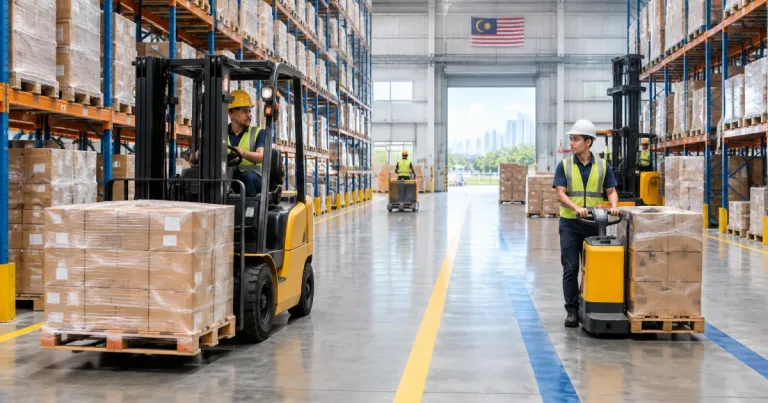
Under-capacity forklifts force teams to break pallets down, double-handle loads, or wait for the “one bigger truck.” Throughput drops, aisles clog, and loading bays slow down. If you’re using forklift rental to cover peaks, the wrong capacity can also stretch timelines and extend rental days.
2) Higher maintenance and faster wear
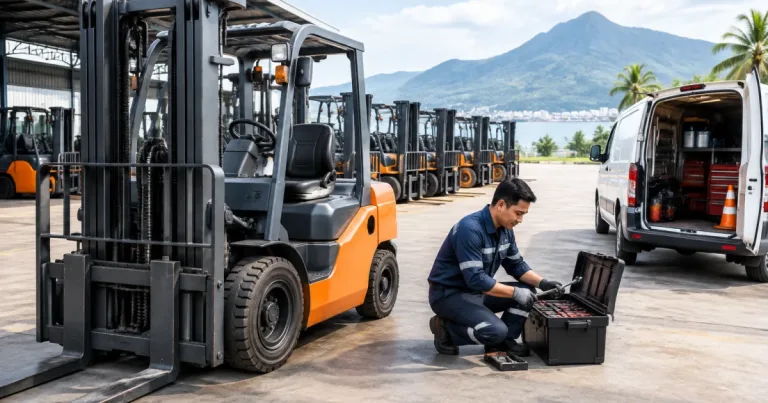
Running near the limit daily accelerates wear on hydraulics, mast components, chains, tyres, and brakes. Failures may not be immediate, but repairs become more frequent and downtime increases. A cheaper unit (including a reconditioned forklift) can end up costing more if it’s mismatched to the duty cycle or consistently overloaded.
3) Product damage and racking damage
When a truck struggles, operators compensate with speed, awkward angles, and repeated nudging to place loads. Common outcomes include:
- Crushed cartons or shifted loads
- Broken pallets and spill clean-ups
- Fork impacts on uprights and beams
- Bent forks from prying or uneven loading
Racking damage is especially costly because it often starts as “minor” and later becomes a replacement or safety issue.
4) Safety risk that escalates insurance and compliance pressure
Not every mistake leads to an incident, but under-capacity selection increases instability risk—particularly with high lifts, uneven yards, ramps, or less experienced operators. After a near-miss or incident, costs multiply: investigations, retraining, equipment changes, and stricter controls. In practical terms, sizing correctly is usually cheaper than “learning” through incidents.
5) Overbuying: paying more for capacity you don’t use
Overbuying is common too: selecting a larger truck “just in case.” Bigger forklifts can mean higher purchase price, higher energy use (diesel/petrol or electricity), larger turning radius, and poorer performance in narrow aisles. In tight facilities, a larger truck can reduce picking efficiency and increase minor collisions.
My opinion: buy bigger only when your load study proves you need it—not because capacity feels like a safety blanket.
A practical sizing method: capacity, mast height, and attachments
Use the method below whether you’re buying new, buying reconditioned, or comparing short- and long-term rental. The goal is to specify the truck for real conditions, not ideal ones.
Step 1: List your “top 10” real loads (not average loads)
Don’t size for your most common light pallet. Size for the loads that define performance and risk:
- Heaviest regular pallet
- Bulkiest/longest load (big crates, irregular shapes)
- Loads handled at maximum lift height
- Loads handled on ramps, dock plates, or uneven yards
If you have seasonal peaks (harvest-related, project-based, end-of-year dispatch surges), include peak loads. Often, a blended plan—own one truck and rent during peak—beats buying one “do-everything” unit.
Step 2: Identify the load centre and whether it changes
If loads can’t sit flush to the backrest (long pallets, drums, bulky crates), the load centre is likely larger than the standard rating. As the centre moves forward, effective capacity drops. This is a common reason “same tonnage” forklifts behave differently between brands or configurations.
If you’re unsure, bring a typical pallet size and packaging style into the discussion with your supplier. It’s not a sales detail—it’s a performance and safety detail.
Step 3: Confirm maximum lift height and free lift needs
Facilities often add racking height over time. If you choose a mast purely for today’s height, you can limit future expansion. Consider:
- Top beam height now and potential expansion
- Container loading/unloading constraints
- Free lift needs (lifting without raising overall mast height, useful for low doors or inside containers)
Higher masts can reduce residual capacity. That doesn’t mean “avoid high mast”—it means capacity must be evaluated with the chosen mast, not treated as an add-on later.
Step 4: Decide attachments early (and include their effect)
Attachments can dramatically improve productivity (rotators for dumping, clamps to eliminate pallets, fork positioners to reduce alignment time). But they add weight and often move the load forward, reducing residual capacity.
My recommendation: treat attachments as part of the core specification. Add them later and you may find your “3 ton” effectively performs like a “2 ton” for your real loads.
Step 5: Choose the right power type for the duty cycle (not just preference)
Capacity is the headline, but power type affects how reliably the forklift delivers that capacity in your environment:
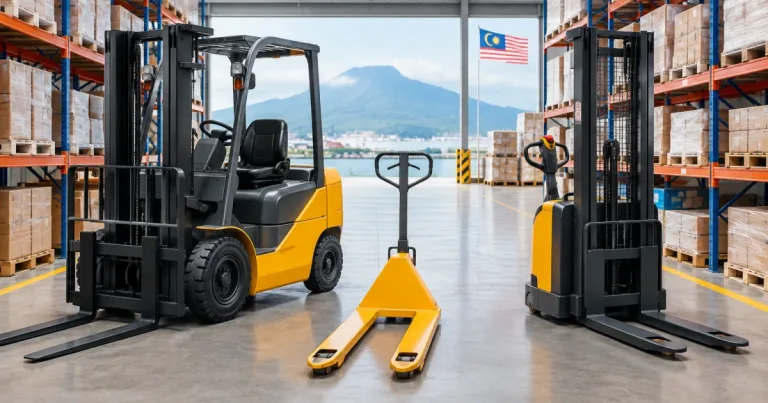
- Electric forklift: Often ideal for indoor use, cleaner operation, and predictable performance—especially with planned charging/battery management.
- Lithium-ion forklifts: Useful for opportunity charging and more stable performance under load, depending on operating patterns.
- Diesel/petrol forklifts: Common for outdoor yards and heavier, rougher applications where refuelling speed and continuous operation matter.
If you’re weighing options, a side-by-side comparison like Electric Forklift vs Diesel Forklift: which is better for your business can help you map power choice to duty cycle and site conditions.
Buy vs rent in Sarawak: when capacity uncertainty is a signal
If you’re unsure about capacity, that uncertainty is useful. It may signal changing operations, inconsistent load mix, or peak demand driving requirements. In those cases, rental can reduce risk—if the rental unit is correctly specified.
Consider rental (short-term or long-term) when:
- You have project-based workloads (construction supply, seasonal production, one-off inbound shipments)
- You’re testing a new layout, new racking, or new packaging
- Your current forklift is frequently down and you need continuity while planning replacement
But renting the wrong capacity creates the same hidden costs as buying the wrong capacity—just faster. Use the sizing steps above even when you need a unit delivered quickly.
What to ask a supplier before you commit (a checklist you can use)
Whether you purchase or rent, better questions lead to better outcomes. Keep the discussion anchored on real operating conditions:
- What is the rated capacity at what load centre? Confirm the rating condition, not just the headline tonnage.
- What is the residual capacity with our mast height and attachment? Ask how your configuration changes usable capacity.
- What fork length and carriage class are included? Longer forks can be necessary, but they change load centre and handling.
- What aisle width and turning radius should we plan for? Avoid overbuying a truck that can’t work efficiently in your space.
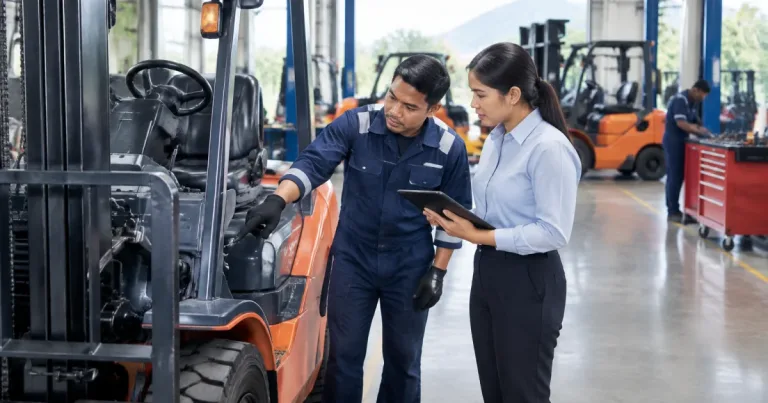
- What is the recommended maintenance plan for our duty cycle? The right preventive maintenance reduces unplanned downtime.
If you’re comparing broader solutions (forklifts plus pallet handling equipment or racking), it helps to treat forklifts as part of a warehouse system. For a wider overview, see Choosing the right material handling equipment for your business.
Conclusion: the cheapest capacity decision is the one you don’t redo
The hidden cost of choosing the wrong forklift capacity is rarely one dramatic failure. It’s the steady accumulation of wasted time, avoidable repairs, damaged goods, and constrained workflow. In my view, the winning approach in Sarawak is simple: stop treating capacity as a single tonnage number and treat it as an operating specification that includes load centre, lift height, attachments, and site conditions.
Do that and you’ll make faster, more confident decisions—whether you buy new, choose reconditioned, or use rental to stay flexible—and you’ll avoid paying twice for the same capability.
Frequently Asked Questions
How do I know if my forklift capacity is enough for my loads?
Start with your heaviest and bulkiest regular loads, then check their load centre (how far the weight sits forward on the forks), your maximum lift height, and whether you use attachments. Capacity is only “true” at specific conditions, so ask your supplier for the residual capacity based on your actual mast and attachment configuration.
What is a load centre and why does it reduce lifting capacity?
The load centre is the horizontal distance from the forklift’s fork face/backrest to the centre of gravity of the load. When the load centre increases (for example, longer pallets or bulky crates), the load sits further forward, reducing stability and lowering the effective lifting capacity compared to the rated figure.
Do attachments like clamps or rotators affect forklift capacity?
Yes. Attachments add weight and typically move the load forward, both of which reduce residual capacity. If you plan to use attachments, include them in the original specification and confirm the forklift’s rated capacity with that attachment installed.
Should I buy a bigger forklift “just in case”?
Not always. A larger forklift can cost more to run and may be less efficient in narrow aisles or tight warehouse layouts. A better approach is to size for your real top-end loads and consider rental for occasional peak loads or special jobs, especially if your requirements change through the year.
Can one supplier handle forklift rental, sales, and repair services in Sarawak?
Many businesses prefer a single partner for rental or purchase plus maintenance and repairs, because it simplifies scheduling, spare parts support, and downtime management. When evaluating a supplier, ask about preventive maintenance options, response time expectations, and whether they can support both short-term and long-term operational needs.
Need help sizing the right forklift capacity in Sarawak?
AM Forklift Sdn. Bhd. supports Sarawak businesses with new and reconditioned forklifts, electric and lithium solutions, diesel/petrol units, and flexible rental options—plus repair, preventive maintenance, spare parts, and operator training.
Share your typical load weight, pallet dimensions, lift height, aisle constraints, and any attachments you need. We’ll help you shortlist a specification that fits your workflow—so you avoid the hidden costs of overbuying or underbuying.